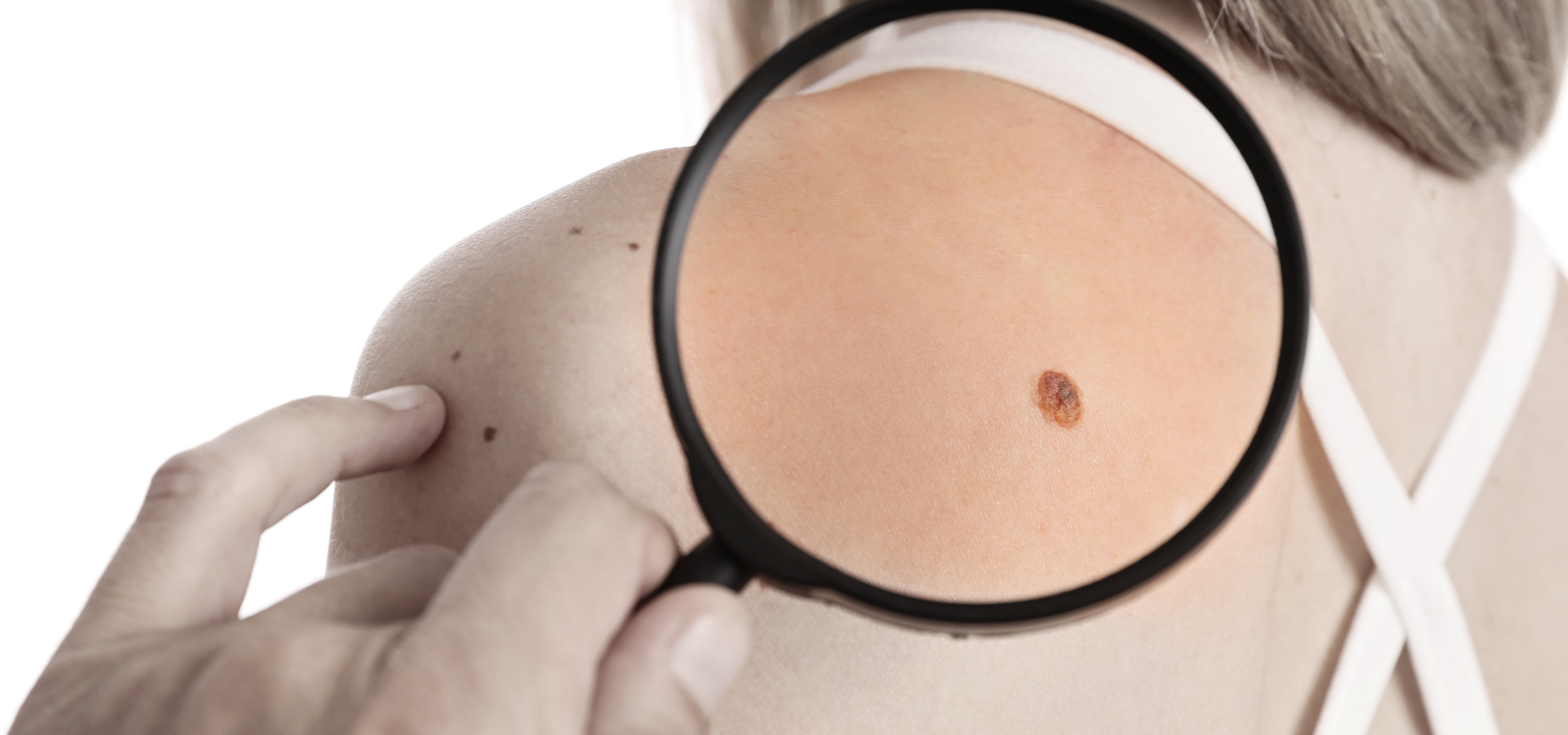
Skin coverage falls under dermatology services. Medicare doesn’t cover dermatology services if they don’t find them medically necessary. So, the common question might be “does Medicare cover skin tag removal?” The short answer is yes. Medicare Part B will provide coverage for this type of service if they consider it medically necessary. This means that if doesn’t remove, it can seriously endanger your health. Medicare will not cover it if it finds that procedure is cosmetic because Medicare doesn’t provide coverage for cosmetic procedures. However, skin tags are usually noncancerous or benign, so their removal is not often considered a medically necessary service.
When Will Part B Provide Coverage For Skin Tag Removal?
Skin tag removals usually are covered under Part B because they require outpatient services. Medicare Part B is your medical insurance and covers preventive care and outpatient services. Part B will provide coverage if they are, for example, bleeding constantly and causing discomfort. In that case, Medicare will provide coverage for wart removal and seborrheic keratosis. When you see a dermatologist who accepts Medicare coverage, and your doctor finds a service medically necessary your Original Medicare will cover 80% of the cost. Beneficiaries are responsible for the other 20%.
After you have met your Part B deductible, which is 226$ in 2023, you are responsible for 20% of coinsurance.
Before you go to see a dermatologist, to remove your skin tag, check if they accept Medicare coverage. If they don’t accept Medicare payment as payment in full, beneficiaries can be responsible for Part B excess charges. This means they can charge you up to 15% above the Medicare-approved rate for the service. So, you will pay 20% of coinsurance plus 15% out-of-pocket costs. However, if you have a Medigap plan which covers excess charges then you won’t be responsible for this cost.
Medicare Advantage And Skin Removal
If you have Medicare Advantage as your primary source of coverage instead Original Medicare, don’t worry because you can also get skin tag removal coverage if medically necessary. Medicare Advantage must cover all services as Original Medicare if they require medical necessity. However, those plans are sold by private insurance companies so the costs of it may differ from plan to plan. Also, you may need a referral to see a dermatologist with a Medicare Advantage plan (an HMO plan requires a referral). Medicare Advantage plans also have additional benefits like routine exams.
What Is A Procedure For Skin Tag Removal
There are various ways for skin tag removal procedures. The safest surgical ways to remove skin tags are:
- Cauterization: this is a procedure that uses a heated wire to burn them off
- Cryotherapy: with this procedure dermatologists freeze them off with a nitrogen liquid
- Excision: in this procedure, they cut them off with surgical scissors
- Ligation: this procedure happens when skin tags blood supply is cut off
Other Dermatological Services That Can Be Covered Under Medicare
As already explained, not all services are covered under Medicare. However, there are other dermatology services besides skin tag removal, that Medicare covers. Of course, they will be covered if considered a medical necessity or require preventive care.
Skin Cancer Screenings
Medicare Part B will cover skin cancer screenings if there is a visible reason because of which your doctor may order diagnostic tests. For example, Medicare will cover screening if there is an obvious physical sign of unusual skin growth or a mole with unusual color which may be a potential danger to your health.
Lipoma Removal
Lipomas are fatty tissues that can collect inside your body. Sometimes they can grow large and cause pain and discomfort. Lipoma removal is an outpatient service and can be covered under Medicare Part B if your doctor thinks that its growth causes enough discomfort to become difficult to live with it.
Psoriasis
Medicare usually doesn’t cover psoriasis medicine which helps lower inflammation, but if your psoriasis can’t be treated with medications, Medicare may cover a PUVA therapy- ultraviolet radiation therapy.
Mole Removal
Medicare only covers mole removal if your doctor considers being potentially cancerous. If a mole. doesn’t endanger your health, but you want it removed because of cosmetic reasons, you will not get coverage under Medicare.
Skin Biopsies
If your doctor thinks that is medically necessary to do a skin biopsy to establish signs of cancer, then it will most likely be under Medicare coverage. Skin biopsies are used to remove a section of the suspicious area to test for cancerous cells.
Mohs Surgery
If you are diagnosed with skin cancer, your dermatologists may order Mohs surgery to fight cancerous cells. Since the cancer treatment is medically necessary, Medicare will most likely cover the costs of this surgery.

Craig W. Hansen is an insurance professional and co-founder of William & Michael Advisor Group LLC and Jersey Insurance Solutions. Craig has served his clients in many facets of the insurance industry, always with the same goal: excellence in service while building solid, long-term, lasting relationships. With over a decade of experience in the insurance benefits industry, Craig’s clients know they can call on him anytime and receive platinum service with a smile.